Michigan Crystals &
Fossils Guide
Discover where to find Petoskey stones, Lake Superior agates, ancient fossils, and more in the Great Lakes State. Your complete rockhounding guide to Michigan.
In This Guide
Great Lakes Treasures
Famous Michigan Stones
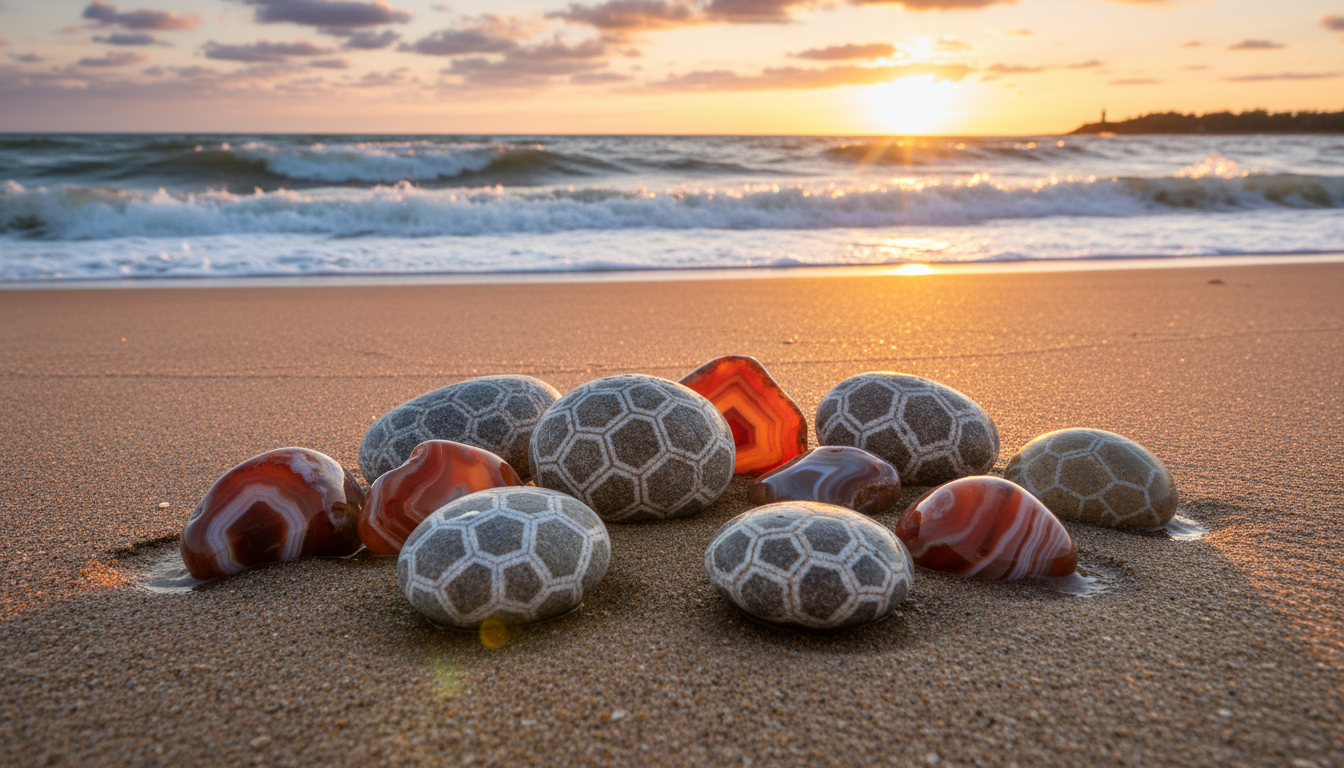
Michigan is a rockhound's paradise, blessed with unique specimens found nowhere else on Earth. The Great Lakes' ancient geological history—from volcanic activity to prehistoric seas—created an incredible diversity of stones waiting to be discovered along shorelines and in quarries.
Petoskey Stone
Michigan State Stone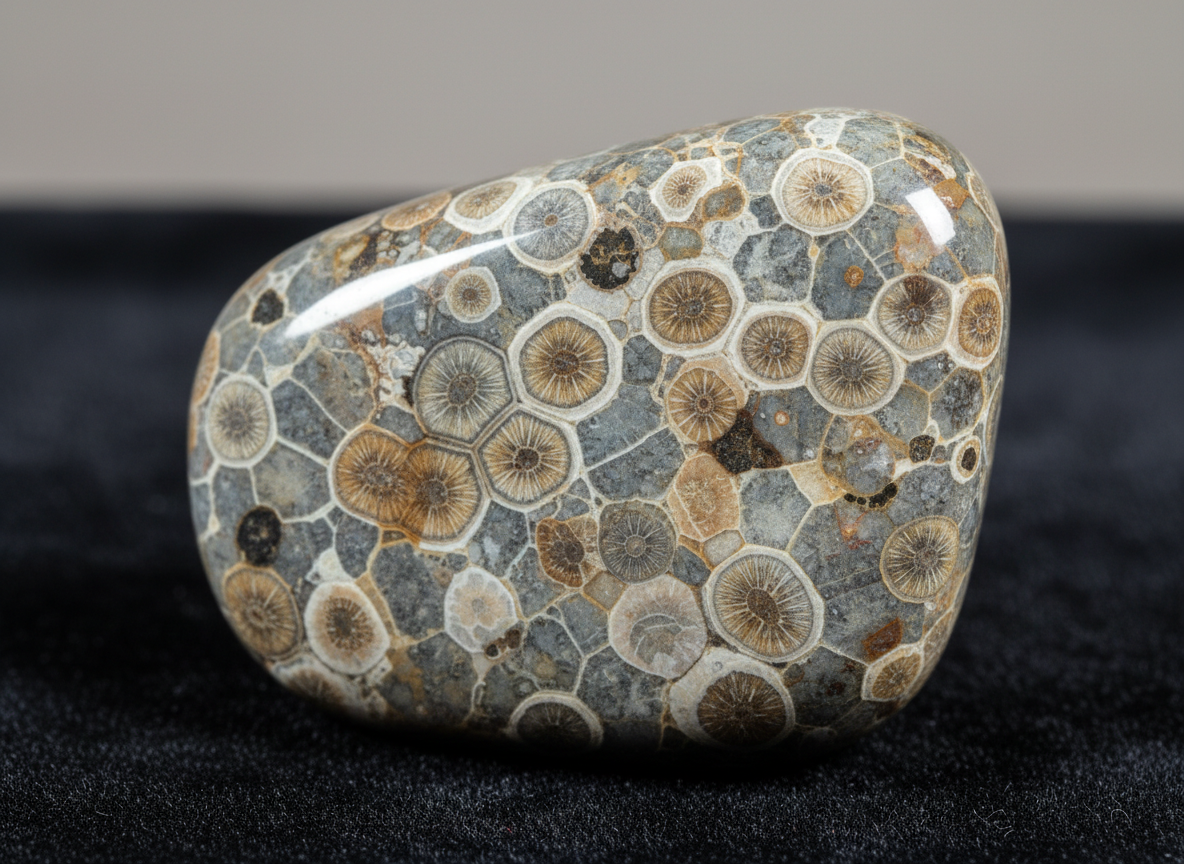
Michigan's official state stone is fossilized coral (Hexagonaria percarinata) from the Devonian period, 350-400 million years ago. When Michigan was covered by a warm, shallow sea, these coral colonies thrived. Their distinctive hexagonal "eye" pattern appears when the stone is wet or polished.
Best Locations
Petoskey area beaches, Charlevoix, Traverse City shorelines, Little Traverse Bay
Finding Tips
Look for gray stones with faint patterns; wet them to reveal the coral eyes
Lake Superior Agate
The "Lakers"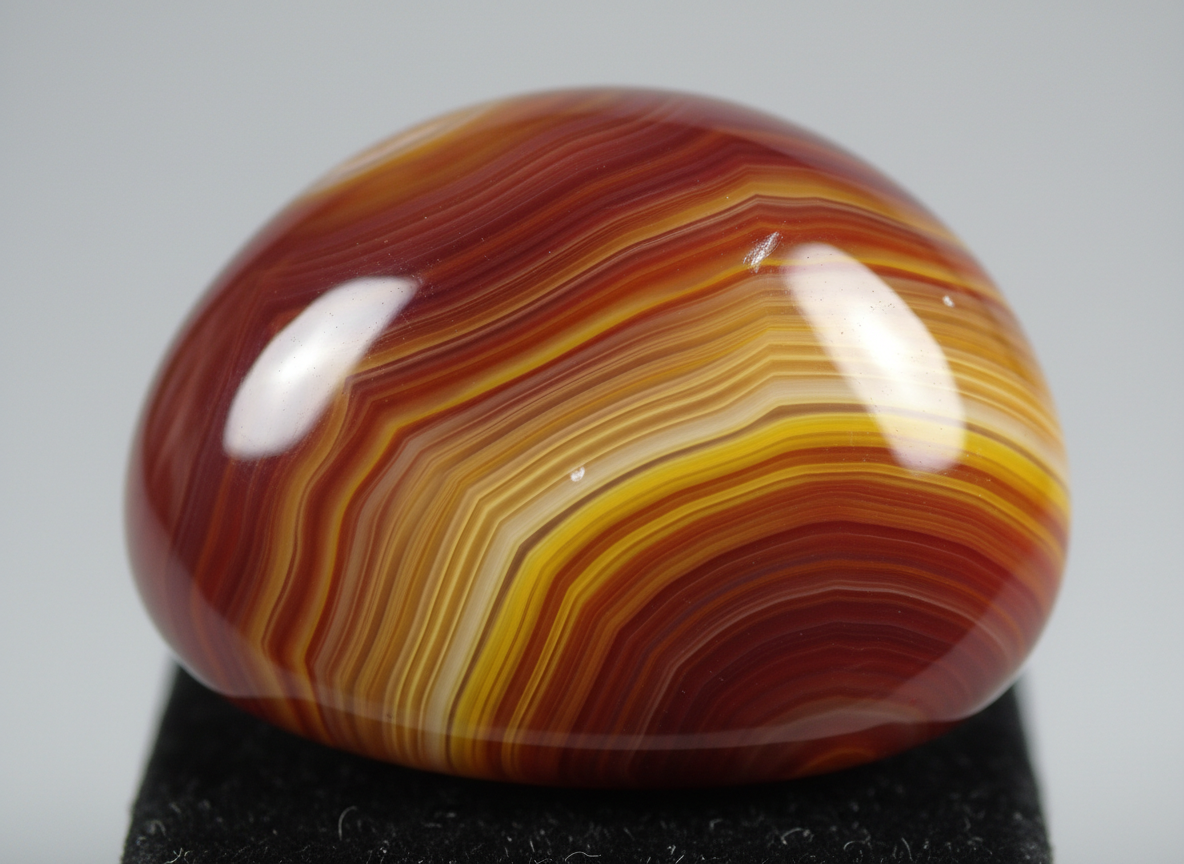
Formed in volcanic gas pockets over a billion years ago, Lake Superior agates are prized for their rich red, orange, and yellow banding caused by iron oxidation. Glaciers scattered them across the Upper Peninsula and northern Lower Peninsula. A true "laker" can be worth hundreds of dollars.
Best Locations
Grand Marais, Whitefish Point, Copper Harbor, Keweenaw Peninsula beaches
Finding Tips
Look for translucent stones with waxy luster; banding visible even when dry
Charlevoix Stone
Favosite Coral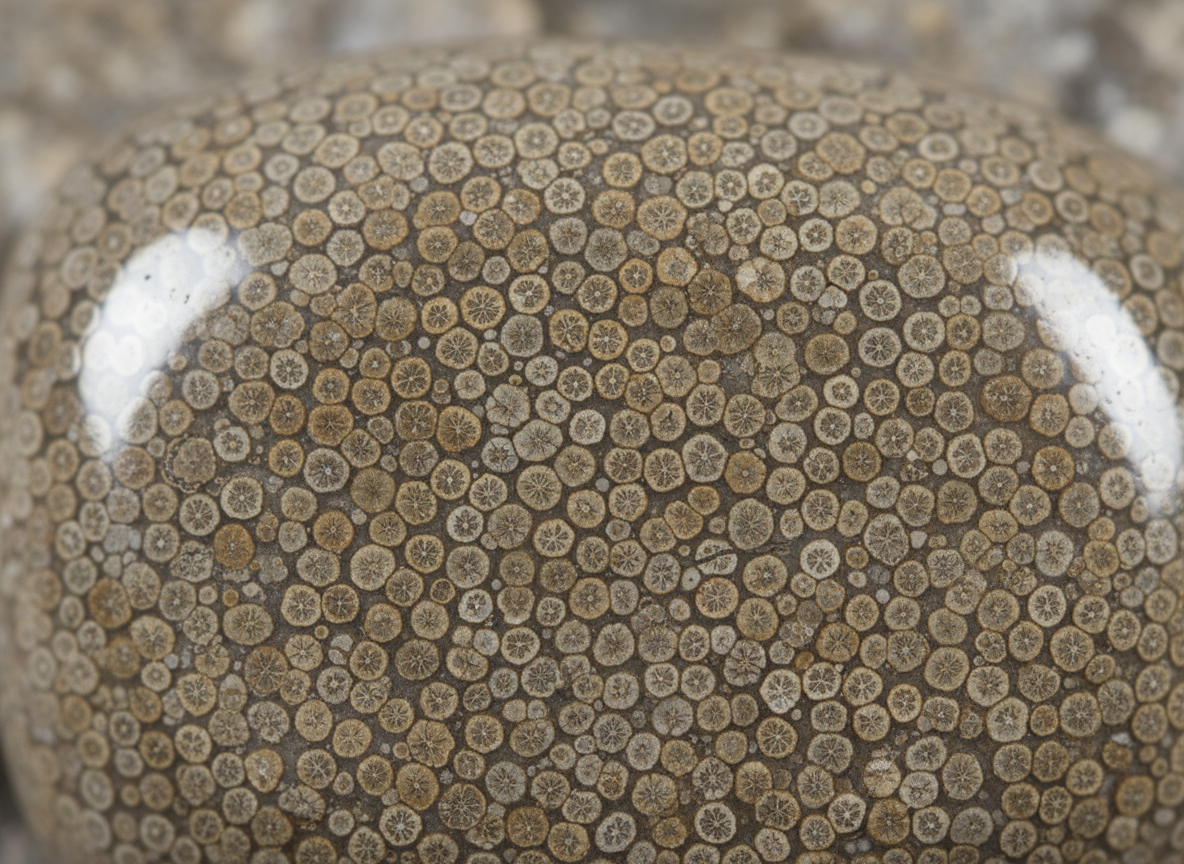
Often confused with Petoskey stones, Charlevoix stones are fossilized Favosites coral with smaller, tighter honeycomb patterns. They're found in the same areas but are less well-known, making them a special find for collectors who know what to look for.
Best Locations
Charlevoix beaches, Fisherman's Island State Park, Lake Michigan shoreline
Pattern Difference
Smaller cells than Petoskey; honeycomb pattern vs. flower-like eyes
More Michigan Treasures
Yooperlite
Discovered 2017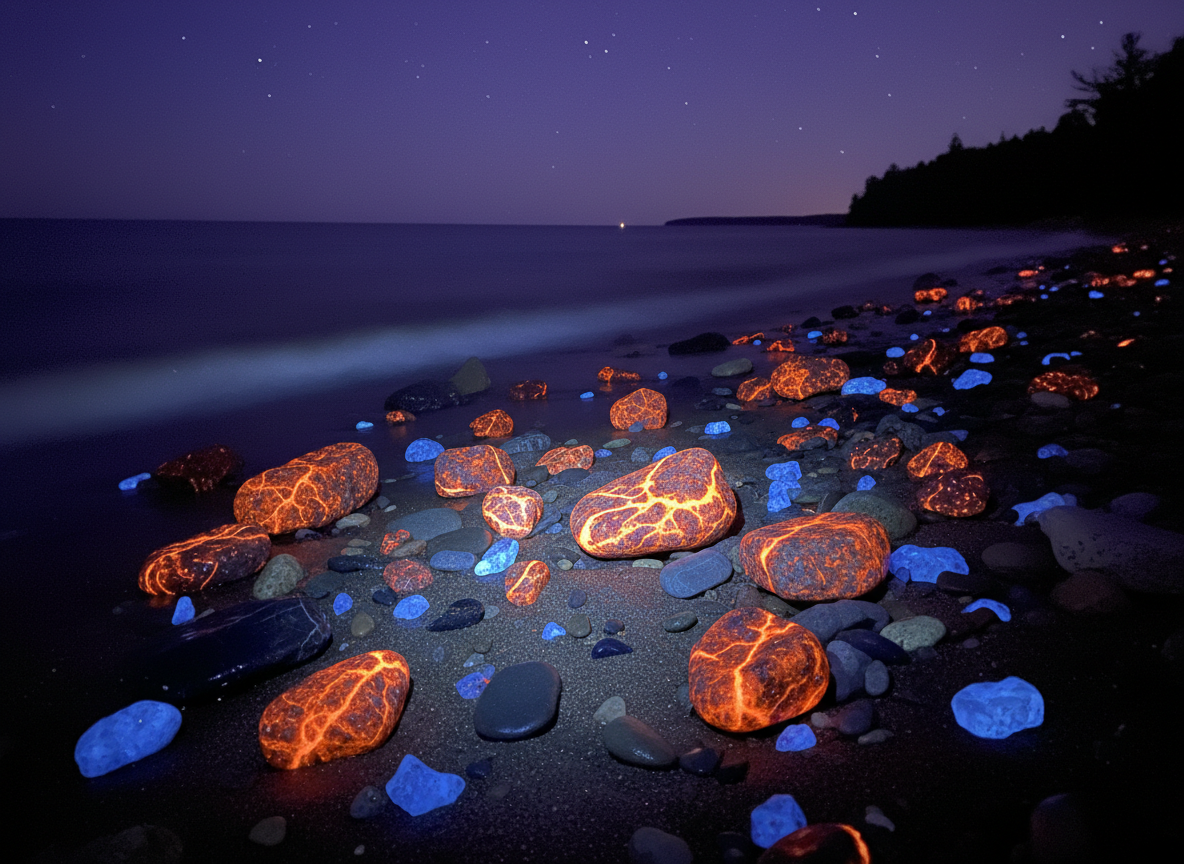
Syenite rocks containing fluorescent sodalite that glows bright orange under UV light. Discovered in 2017 on Lake Superior beaches, Yooperlites have become a sensation among rockhounds. They look like ordinary gray rocks in daylight—the magic appears at night!
How to Find Them
Bring a 365nm UV flashlight to Lake Superior beaches at night. Scan the rocks and watch for the glow!
Native Copper
Keweenaw Peninsula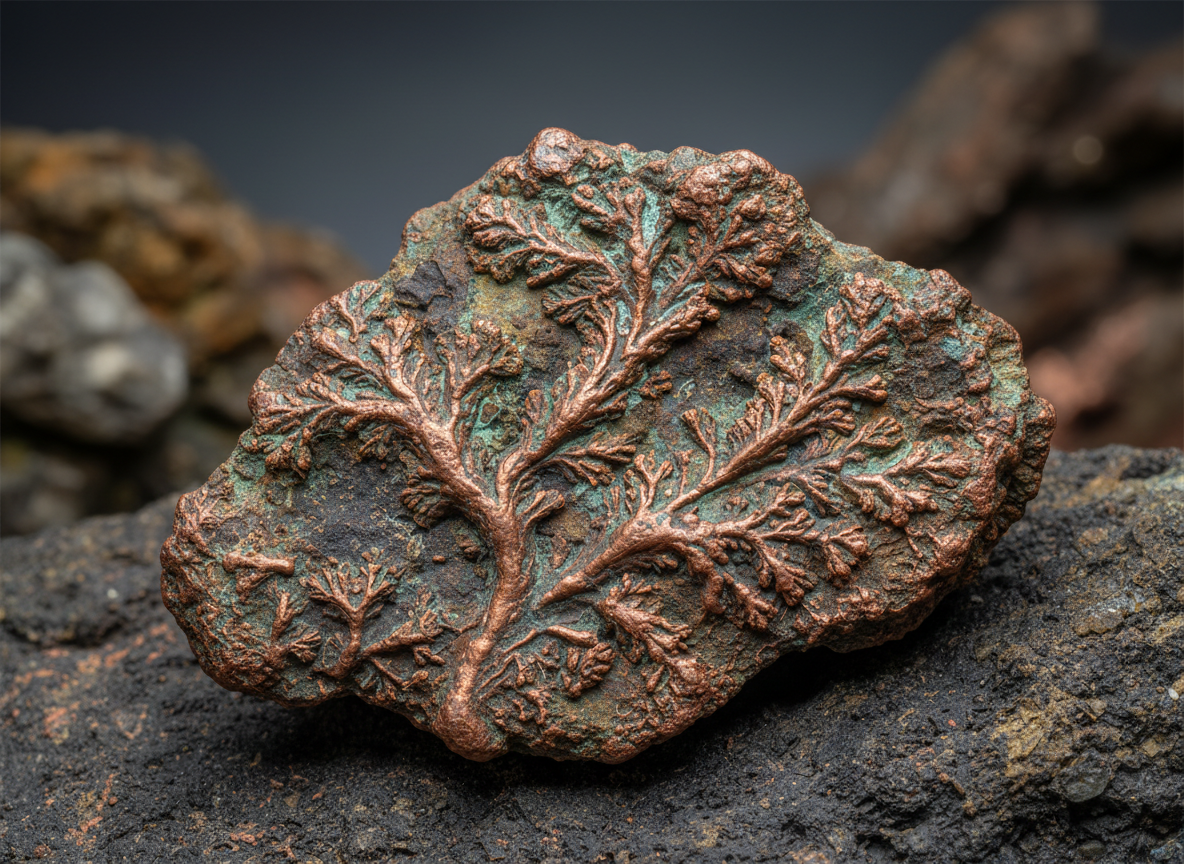
The Keweenaw Peninsula contains the world's largest deposits of native copper—pure copper metal, not ore. Ancient peoples mined it 7,000 years ago, and the region's mining history shaped Michigan. You can still find copper specimens on beaches and in old mine dumps.
Where to Look
Keweenaw Peninsula beaches, Copper Harbor area, old mining sites (with permission)
Pudding Stone
Jasper conglomerate with red and white pebbles in gray matrix. Formed 2.3 billion years ago—some of Earth's oldest visible rock.
Upper Peninsula, Northern Lower Peninsula
Thomsonite
Rare zeolite mineral with radiating crystal patterns in green, pink, and white. Highly collectible.
Keweenaw Peninsula beaches
Chlorastrolite (Isle Royale Greenstone)
Michigan's state gem—a rare green stone with star-like patterns. Found only in the Lake Superior region.
Isle Royale, Keweenaw Peninsula
Beach Glass
Tumbled glass fragments from old bottles and shipwrecks, frosted smooth by decades of wave action.
All Great Lakes beaches
350-400 Million Years Old
Michigan Fossils
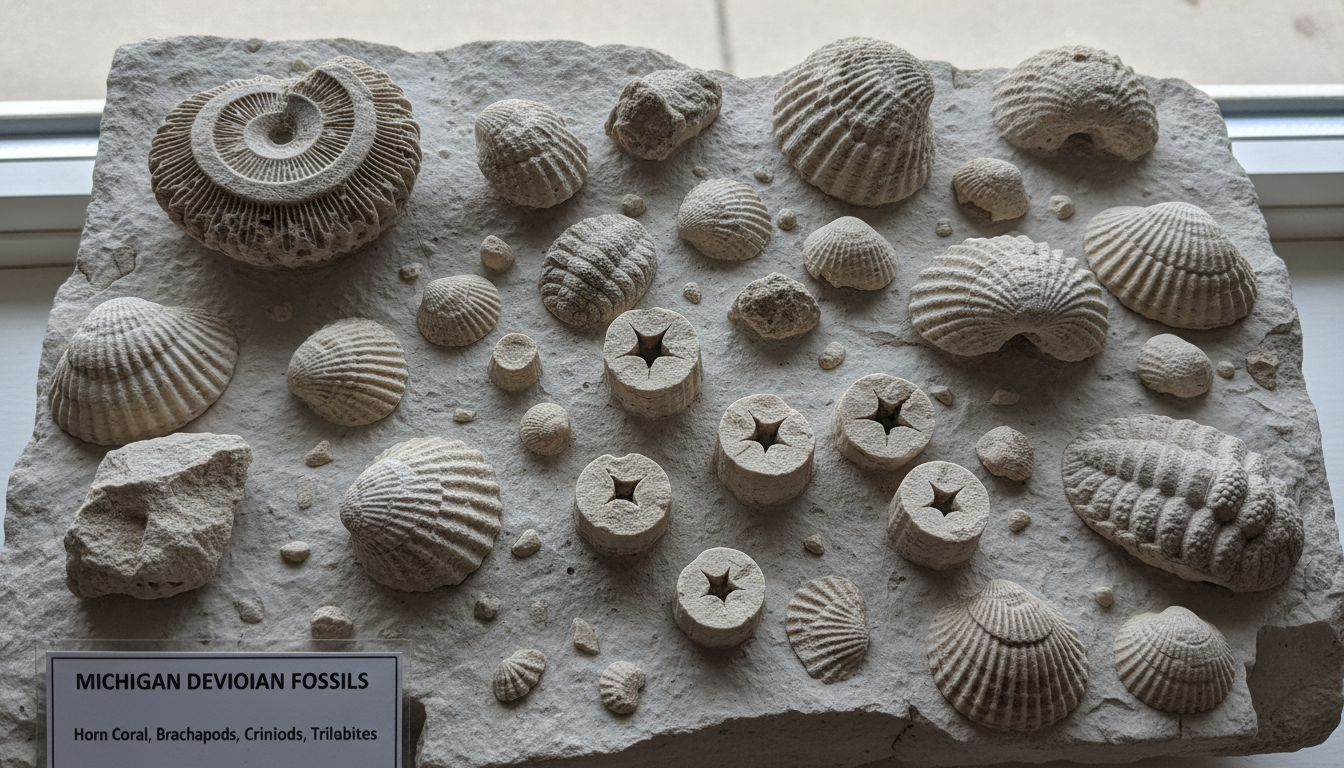
During the Devonian period (350-400 million years ago), Michigan was covered by a warm, shallow tropical sea teeming with life. Today, fossils from that ancient ocean are abundant throughout the state, especially in limestone quarries and along eroding shorelines.
Common Michigan Fossils
Horn Coral (Rugose Coral)
Very CommonDevonian Period
Cone-shaped solitary corals, often found as individual specimens. The internal structure shows growth lines like tree rings.
Brachiopods
Extremely CommonDevonian Period
Shell-bearing marine animals that look like clams but aren't related. Dozens of species are found in Michigan limestone.
Crinoid Stems
Very CommonDevonian-Mississippian
Segmented stems from 'sea lilies'—animals related to starfish. Individual segments look like little wheels or donuts.
Trilobites
UncommonDevonian Period
Ancient arthropods with segmented bodies. Complete specimens are rare; fragments and enrolled specimens more common.
Bryozoans
CommonDevonian Period
Colonial animals that built lacy, branching structures. Often mistaken for coral or plant fossils.
Gastropods (Sea Snails)
CommonDevonian Period
Spiral-shelled marine snails preserved in limestone. Various sizes from tiny to several inches.
Why So Many Fossils?
Michigan's bedrock is largely Devonian-age limestone and shale—sedimentary rocks that preserve fossils exceptionally well. The state was positioned near the equator during this period, creating ideal conditions for marine life. As the ancient sea floor became rock, countless creatures were fossilized within it.
Collecting Locations
Where to Find Them
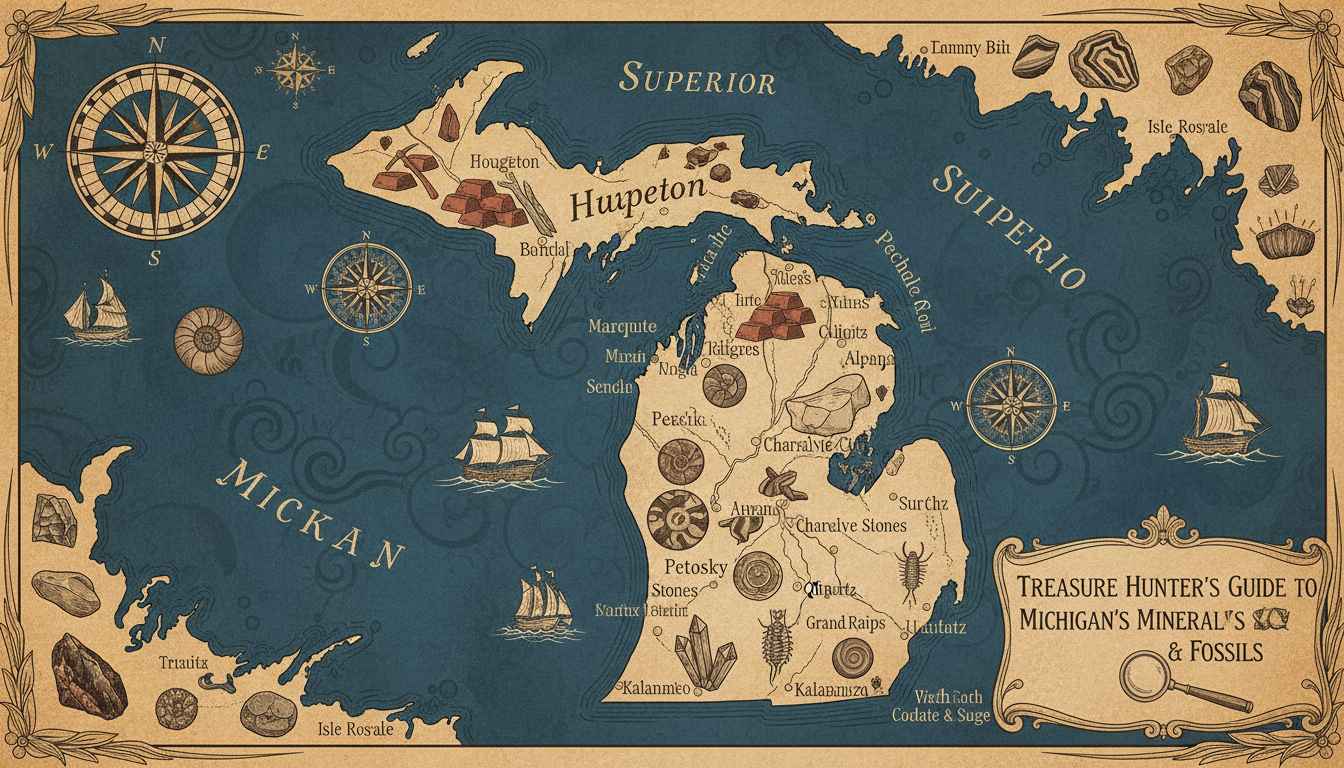
Michigan offers collecting opportunities throughout the state, from remote Upper Peninsula beaches to accessible Lower Peninsula parks. Always check local regulations and obtain permission before collecting.
Upper Peninsula Hotspots
Grand Marais / Pictured Rocks Area
Finds: Lake Superior agates, Yooperlites, beach stones
Public beach access. Bring a UV flashlight at night for Yooperlites.
Keweenaw Peninsula
Finds: Native copper, thomsonite, chlorastrolite, agates
Many public beaches. Copper Country is world-famous for mineral specimens.
Whitefish Point
Finds: Lake Superior agates, beach stones, shipwreck glass
Remote but productive. Great Lakes Shipwreck Museum nearby.
Drummond Island
Finds: Fossils, Petoskey stones, pudding stones
Less crowded than mainland beaches. Ferry access required.
Northern Lower Peninsula
Petoskey State Park
Finds: Petoskey stones, Charlevoix stones, fossils
The most famous spot for Petoskey stones. Very popular—arrive early in summer.
Fisherman's Island State Park (Charlevoix)
Finds: Petoskey stones, Charlevoix stones, beach glass
Less crowded than Petoskey State Park with similar finds.
Traverse City Beaches
Finds: Petoskey stones, fossils, agates
Multiple public beaches along Grand Traverse Bay.
Alpena Area Quarries
Finds: Devonian fossils—corals, brachiopods, trilobites
Some quarries allow collecting. Always ask permission first.
Southern Lower Peninsula
Rockport State Recreation Area (Alpena)
Finds: Fossils in limestone, coral fragments
Old quarry with exposed Devonian limestone.
Michigan Gravel Pits
Finds: Agates, jasper, fossils, glacial erratics
Many contain glacially-deposited stones from across the Great Lakes region.
Lake Michigan Beaches (Southwest)
Finds: Beach glass, agates, slag glass
Industrial history means colorful slag glass along some beaches.
Metro Detroit Area Rivers
Finds: Petoskey stones, fossils in gravel bars
Glaciers deposited northern Michigan stones throughout the region.
Expert Advice
Collecting Tips
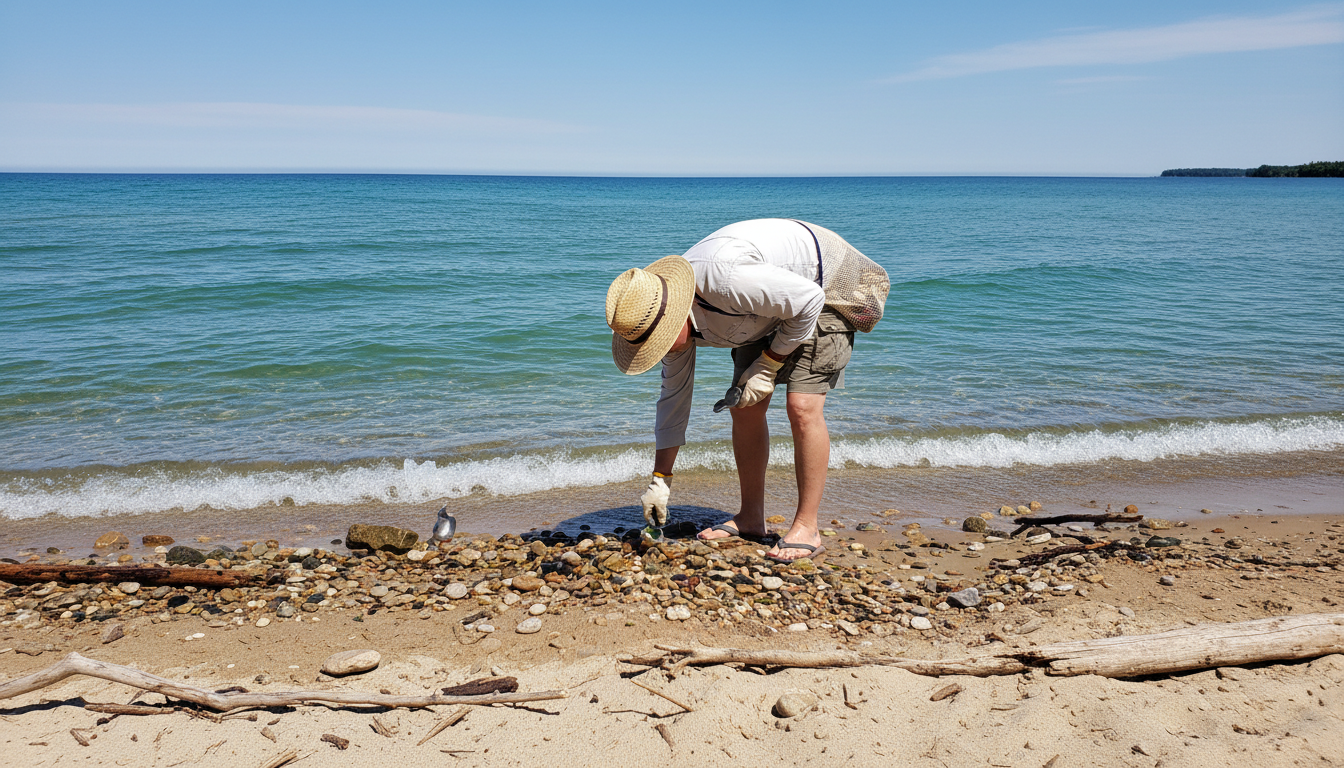
When to Go
Spring (April-May)
Best time! Winter ice scours beaches, revealing fresh stones. Water is low, exposing more shoreline.
Summer (June-August)
Popular but crowded. Early morning or after storms yield best results.
Fall (September-October)
Excellent conditions. Fewer crowds, lower water levels, pleasant weather.
After Storms
Heavy waves churn up new material. Check beaches 1-2 days after major storms.
What to Bring
- Spray bottle with water — Wet stones to reveal patterns (essential for Petoskey stones)
- UV flashlight — Find Yooperlites at night on Lake Superior beaches
- Mesh bag or bucket — For carrying finds (drain water easily)
- Knee pads — Comfortable for extended beach combing
- Polarized sunglasses — Reduce glare and help spot translucent agates
- Field guide — Helps identify unfamiliar specimens
Identification Tips
Petoskey Stones
Gray when dry; hexagonal 'eye' pattern appears when wet. Look for rounded, beach-worn stones.
Lake Superior Agates
Translucent with waxy luster. Look for red, orange, yellow banding. Often pitted surface.
Charlevoix Stones
Similar to Petoskey but smaller, tighter honeycomb pattern. Often overlooked!
Yooperlites
Look like ordinary gray rocks in daylight. Glow bright orange under 365nm UV light.
Rules & Ethics
- State Parks: Collecting limited to small quantities for personal use. No digging or tools.
- Private Property: Always ask permission before collecting.
- Quarries: Many are private. Some allow collecting with permission.
- Isle Royale: National Park—absolutely no collecting allowed.
- Leave No Trace: Don't disturb natural areas or take more than you need.
Explore Michigan Crystals at Dragon Traditions
Can't make it to the beach? Visit our showroom in Troy, Michigan to see Petoskey stones, Lake Superior agates, and fossils from around the world. Or shop our online collection!
We're Local to Michigan!
Dragon Traditions is proudly located right here in Michigan. Visit our showroom to see Petoskey stones, Lake Superior agates, and Michigan fossils in person!
📍 Oakland Mall
412 W 14 Mile Rd, Troy, MI 48083
Inside the mall • Easy parking • Open 7 days