The History of
Crystal Healing
From the physicians of Ancient Greece to modern holistic practitioners, crystals have been treasured for their healing properties across every civilization and culture.
500 BCE - 300 CE
Ancient Greece & Rome
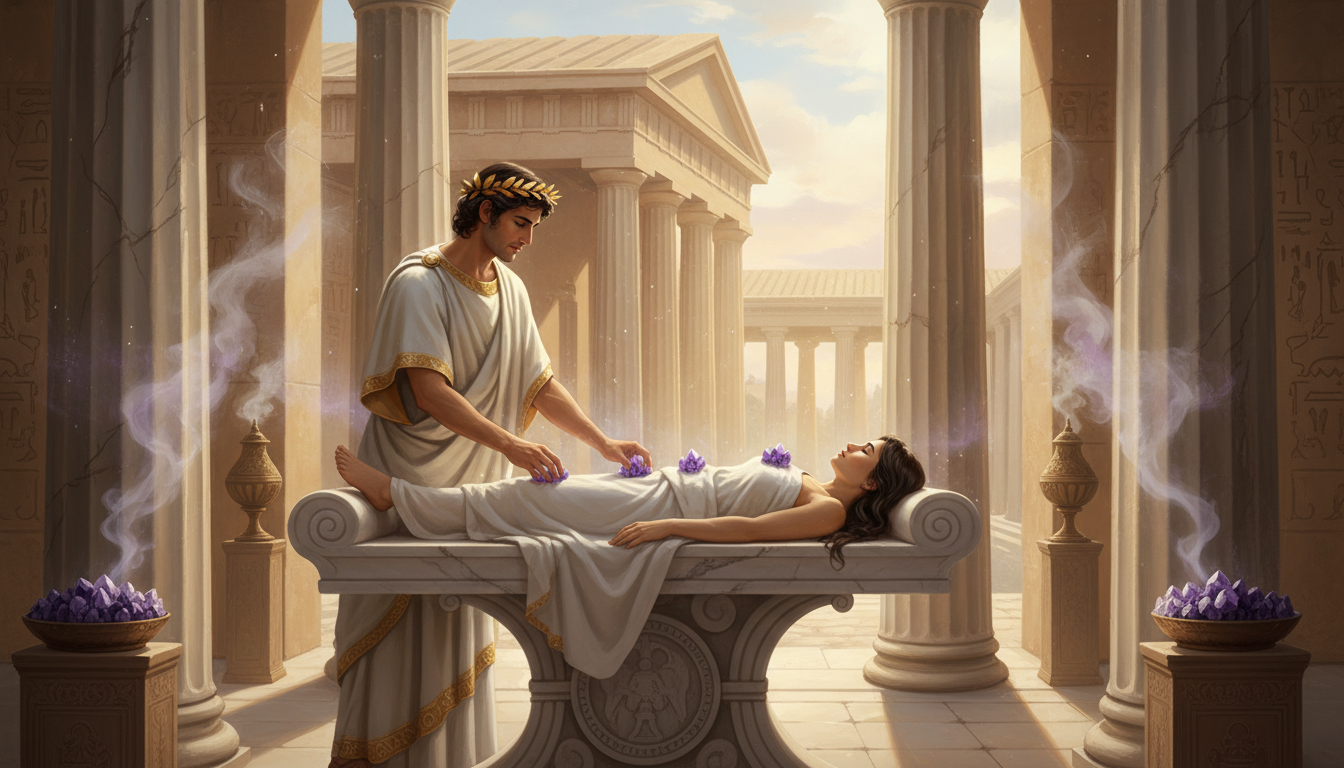
The word "crystal" itself comes from the Greek krustallos, meaning "ice," as the ancient Greeks believed clear quartz was water frozen so deeply it could never thaw. Greek physicians like Hippocrates—the "Father of Medicine"—documented the use of gemstones in healing, laying the groundwork for Western understanding of crystal therapy.
Greek Healing Crystals & Their Uses
Amethyst
The name means 'not intoxicated.' Greeks wore amethyst and drank from amethyst cups to prevent drunkenness and clear-headedness.
Hematite
Used by Roman soldiers for protection in battle and to stop bleeding wounds. Ground hematite was applied as a healing salve.
Jade (Jadeite)
Called 'lapis nephriticus' (kidney stone), jade was used to treat kidney ailments—giving us the word 'nephrite.'
Carnelian
Roman physicians prescribed carnelian for blood disorders and to calm anger, believing its red color connected it to vital life force.
The Doctrine of Signatures
Greek and Roman healers followed the "Doctrine of Signatures"—the belief that a stone's appearance indicated its healing purpose. Red stones like ruby and garnet were used for blood and heart conditions. Blue stones like lapis lazuli treated throat and communication issues. Yellow stones like citrine addressed digestive and liver problems.
The Roman naturalist Pliny the Elder documented hundreds of gemstone remedies in his encyclopedic Natural History (77 CE), providing one of the most comprehensive ancient texts on crystal healing that influenced medicine for over a thousand years.
3000 BCE - Present
Ayurvedic Gem Therapy
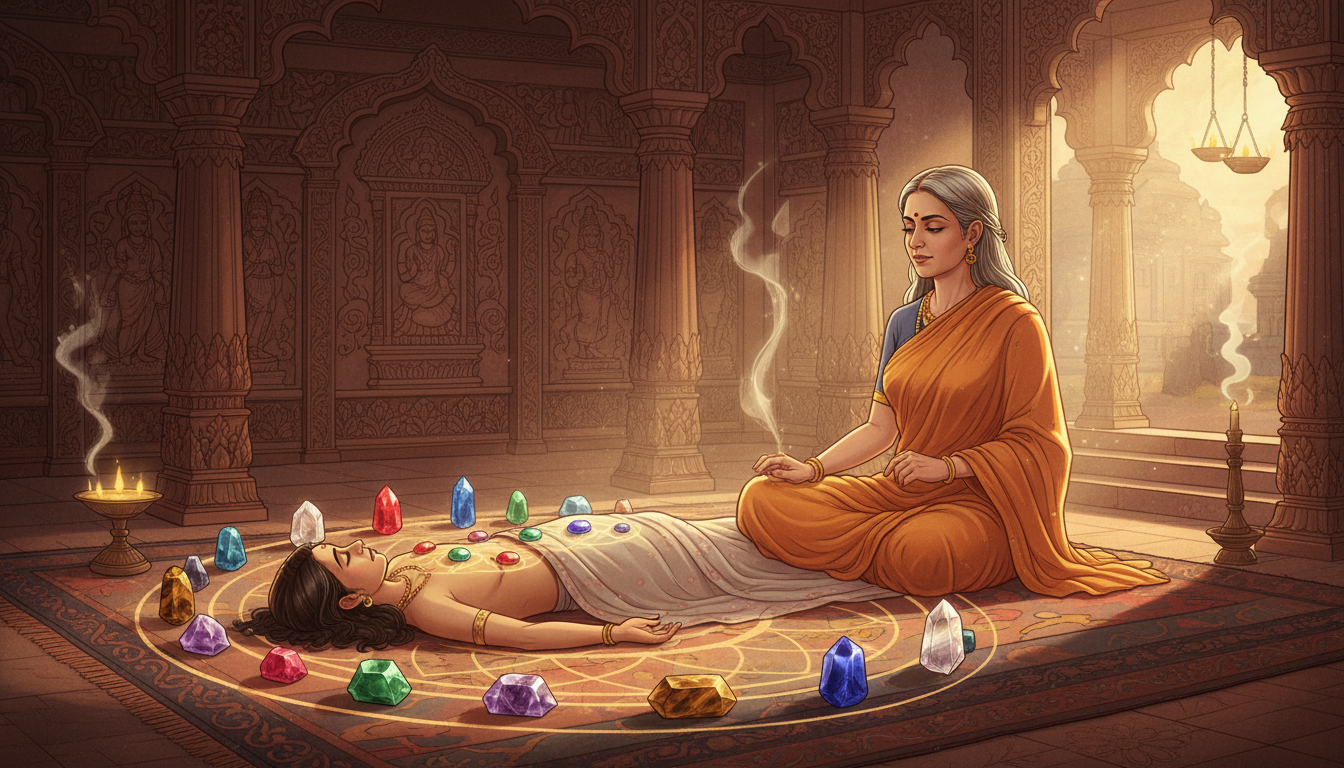
India's ancient Ayurvedic medical system developed one of the most sophisticated approaches to crystal healing, called Ratna Shastra (the science of gems). This 5,000-year-old tradition views gemstones as concentrated forms of cosmic energy that can balance the body's three doshas (constitutional types) and the influence of planetary bodies.
The Nine Sacred Gems (Navaratna)
Ayurvedic tradition identifies nine gemstones, each connected to a celestial body, that form the foundation of gem therapy:
Ruby
Planet: Sun
Vitality, heart health, circulation
Moonstone
Planet: Moon
Emotional balance, cooling, fertility
Emerald
Planet: Mercury
Nervous system, intellect, speech
Citrine
Planet: Jupiter
Liver, digestion, prosperity
Clear Quartz
Planet: Venus
Reproductive health, beauty, creativity
Blue Sapphire
Planet: Saturn
Bones, joints, chronic conditions
Ayurvedic Healing Methods
In Ayurvedic practice, gemstones are used in several ways for healing:
- Gem-infused water (Ratna Jal) — Crystals are soaked in water overnight, which is then drunk for healing
- Gem ash (Bhasma) — Purified gemstones are processed into medicinal ash taken internally
- Wearing gems — Specific stones set in rings or pendants touch the skin to transmit healing energy
- Gem placement — Crystals placed on chakra points during healing sessions
Ayurvedic gem therapy remains widely practiced in India today, often integrated with herbal medicine and yoga for holistic wellness.
2000 BCE - Present
Traditional Chinese Medicine
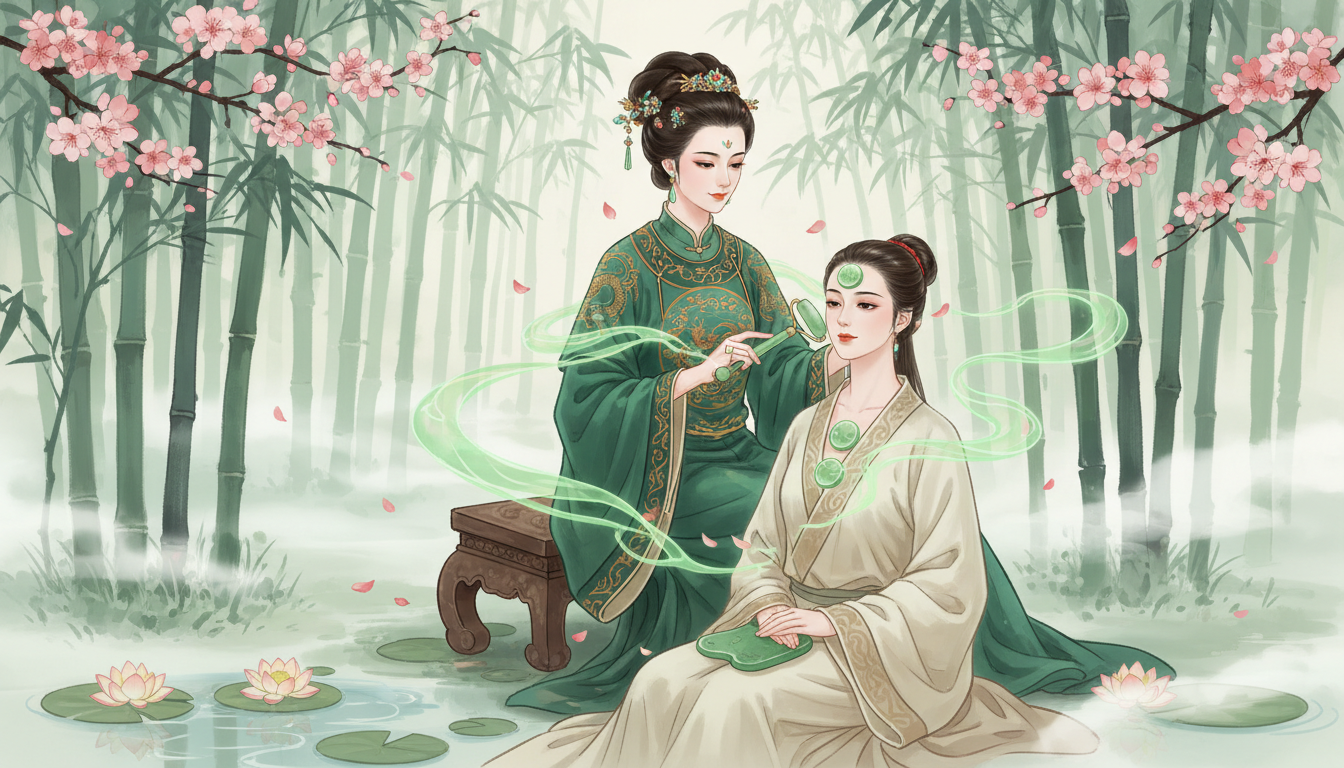
In Traditional Chinese Medicine (TCM), crystals and minerals have been used for over 4,000 years to balance Qi (vital energy) and treat disease. The Chinese pharmacopeia includes dozens of mineral substances, with jade holding a place of particular reverence as the "stone of heaven."
Jade: The Imperial Healing Stone
No stone holds greater significance in Chinese healing than jade. For millennia, Chinese emperors and healers prized jade for its ability to:
Jade
Believed to preserve the body after death, promote longevity, purify the blood, and strengthen the heart. Jade rollers and gua sha tools remain popular today.
Cinnabar
Used in small amounts to calm the spirit, treat heart palpitations, and promote restful sleep. (Note: contains mercury, historically used with caution)
Realgar
Applied externally for skin conditions and snake bites. Used in traditional festivals to ward off illness and evil spirits.
Magnetite
Used to improve hearing, calm the liver, anchor 'floating yang,' and treat conditions involving dizziness or high blood pressure.
Crystals and the Five Elements
TCM organizes crystals according to the Five Element theory, using them to balance corresponding organs and emotions:
- Wood (Liver/Gallbladder) — Green stones like jade and malachite
- Fire (Heart/Small Intestine) — Red stones like ruby and garnet
- Earth (Spleen/Stomach) — Yellow stones like citrine and amber
- Metal (Lungs/Large Intestine) — White stones like clear quartz and pearl
- Water (Kidneys/Bladder) — Black and blue stones like obsidian and lapis lazuli
500 CE - 1500 CE
Medieval European Lapidaries
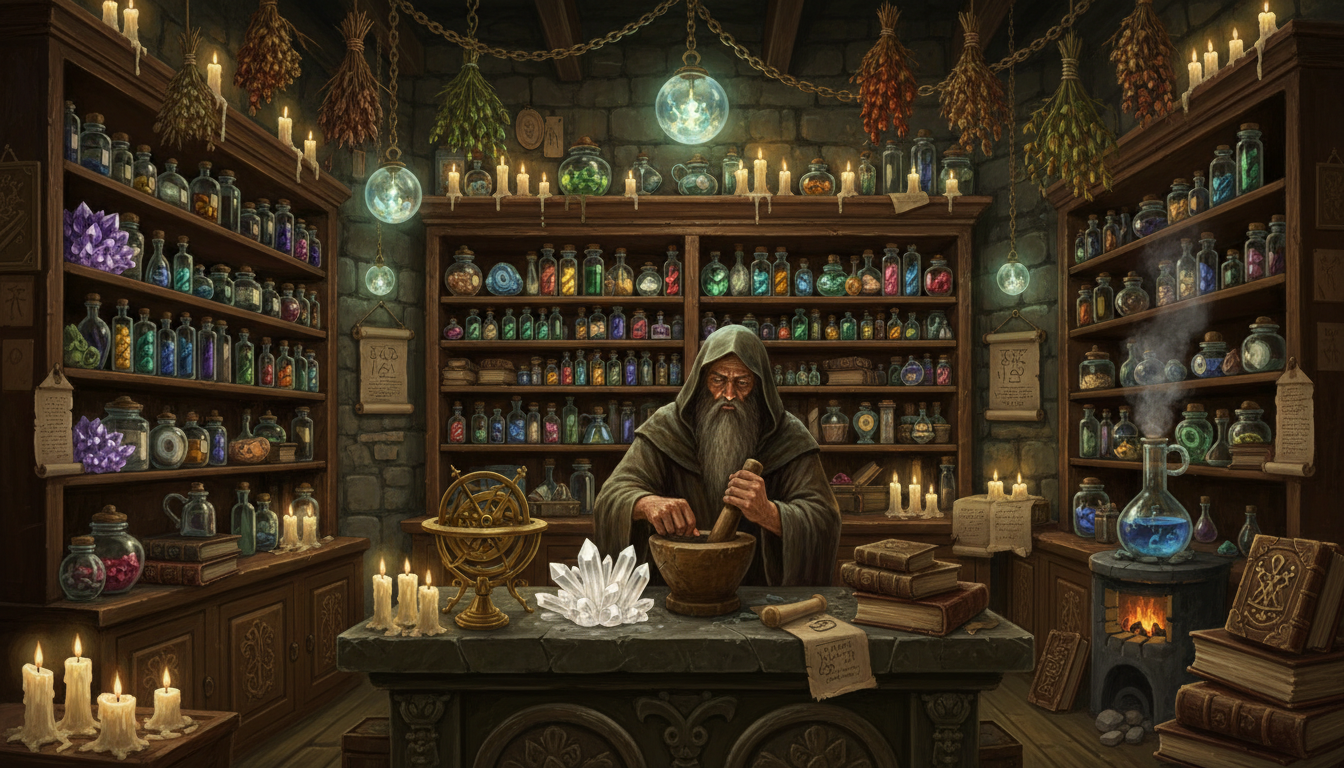
During the Middle Ages, crystal healing flourished in Europe through "lapidaries"—books describing the medicinal and magical properties of stones. Monks, physicians, and alchemists preserved ancient Greek and Roman knowledge while adding Christian symbolism and new discoveries from trade with the East.
Hildegard von Bingen: Crystal Healer Saint
The 12th-century abbess Hildegard von Bingen wrote extensively about crystal healing in her medical text Physica. A visionary, composer, and healer, Hildegard prescribed specific gemstones for dozens of conditions:
Sapphire
Hildegard prescribed licking a sapphire to improve eyesight and intelligence, and placing it on the forehead for headaches.
Emerald
Used to treat heart conditions, stomach problems, and epilepsy. Emerald was placed on the chest during heart pain.
Jasper
Recommended for deafness—Hildegard advised breathing on jasper and pressing it to the ear.
Topaz
Used to improve dim vision by soaking topaz in wine for three days, then touching the wine to the eyes.
Plague and Protection
During the Black Death and other epidemics, Europeans turned to crystals for protection. Amethyst was believed to protect against contagion and was worn by bishops and physicians. Bloodstone was carried to stop bleeding and strengthen the blood. Diamonds were thought to make the wearer invincible against poison and disease.
Apothecaries ground gemstones into powders and elixirs, selling them as powerful medicines. While we now know many of these remedies were ineffective or dangerous, they demonstrate the profound faith medieval Europeans placed in crystal healing.
1970s - Present
Modern Crystal Healing
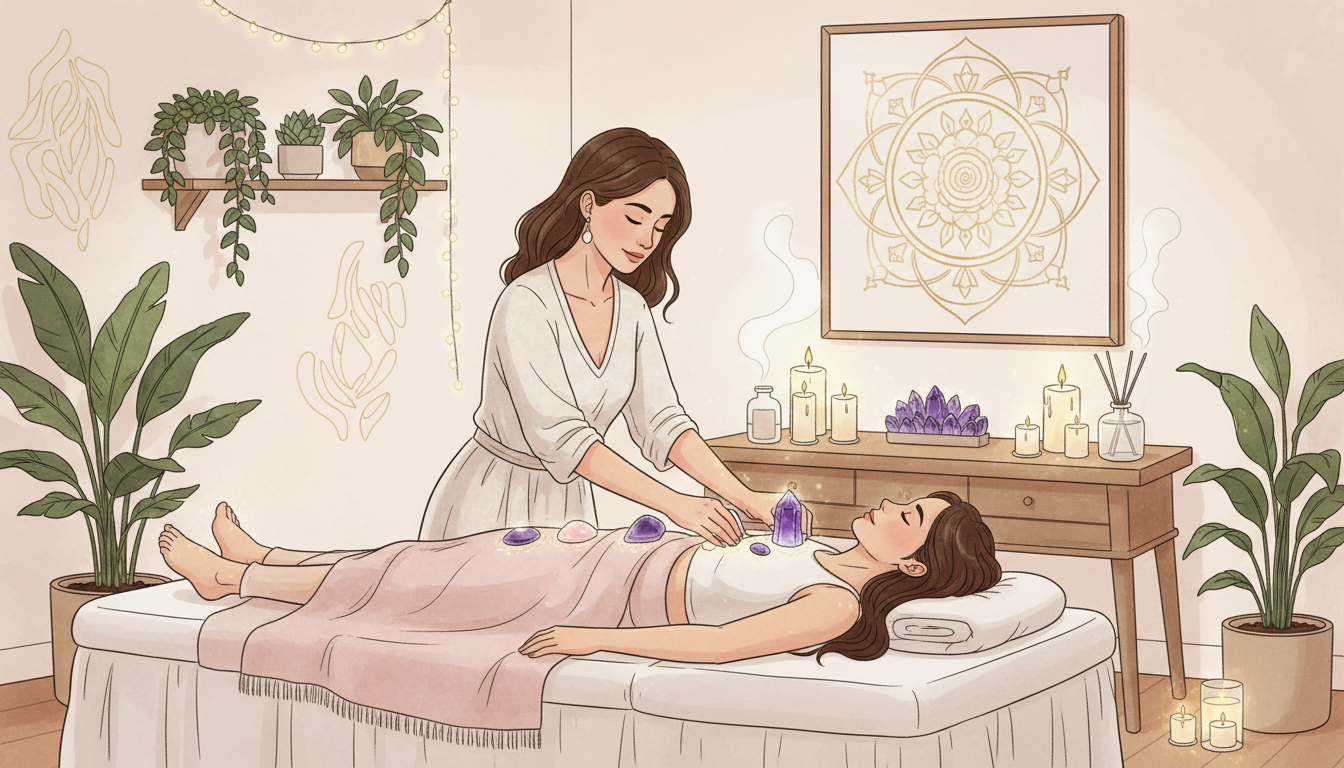
The modern crystal healing movement emerged from the New Age spirituality of the 1970s and 1980s, drawing on ancient traditions from around the world while developing new techniques. Today, crystal healing is practiced by millions worldwide and is increasingly studied by researchers interested in complementary medicine.
Most Popular Healing Crystals Today
Clear Quartz
Master healer, amplifies energy and intention, supports all conditions
Amethyst
Calms anxiety, promotes sleep, relieves headaches, supports sobriety
Rose Quartz
Heart healing, self-love, emotional wounds, relationship harmony
Black Tourmaline
Protection from EMFs, grounding, absorbs negative energy
Citrine
Digestive support, energy boost, depression relief, manifestation
Turquoise
Immune support, throat healing, communication, overall wellbeing
Modern Healing Techniques
Chakra Placement
Crystals are placed on the body's seven main energy centers to clear blockages and restore balance. Each chakra corresponds to specific stones—rose quartz for the heart, amethyst for the third eye, etc.
Crystal Grids
Multiple crystals arranged in sacred geometric patterns to amplify intentions for healing, protection, or manifestation. Grids combine the properties of multiple stones.
Crystal Elixirs
Water infused with crystal energy, either by direct immersion (for water-safe stones) or indirect methods. Used for drinking, bathing, or spraying.
Wearing Crystals
Jewelry and pocket stones keep healing crystals in your energy field throughout the day. Different placements (necklace, ring, bracelet) affect different areas.
Sound & Crystal Therapy
Combining crystal placement with singing bowls, tuning forks, or other sound healing modalities for enhanced healing effects.
What Does Science Say?
Scientific research on crystal healing remains limited. A 2001 study presented at the British Psychological Society found that people reported feeling effects from crystals, but couldn't distinguish between real and fake stones—suggesting placebo may play a role. However, the placebo effect itself has measurable healing outcomes.
Crystals do have measurable physical properties: quartz generates electricity under pressure (piezoelectricity), tourmaline produces electrical charge when heated (pyroelectricity), and crystals emit measurable electromagnetic frequencies. Whether these properties affect human health remains an open question.
Many practitioners view crystal healing as complementary—supporting conventional medical treatment rather than replacing it. The ritual of working with crystals may promote relaxation, mindfulness, and self-care, which have proven health benefits.
Explore Crystals for Your Healing Journey
Whether you're drawn to ancient traditions or modern practices, discover crystals that resonate with your healing intentions. Browse our complete collection.